
mirror rectangular
Il Livello Spiritoso Un Strumento Imperdibile per Ogni Fabbro Il livello spiritoso, noto anche come livello a bolla, uno strumento essenziale per chi lavora nel settore edile e artigianale. Questo congegno semplice ma efficace utilizzato per determinare se una superficie perfettamente orizzontale o verticale, garantendo precisione e accuratezza nel lavoro. La sua importanza si estende ben oltre il semplice utilizzo quotidiano; un simbolo della cura e della professionalit che ogni artigiano deve possedere. Il Livello Spiritoso Un Strumento Imperdibile per Ogni Fabbro Il funzionamento di un livello spiritoso piuttosto semplice al suo interno presente una bolla daria racchiusa in un liquido. Quando il livello posizionato su una superficie, la bolla si sposta nella direzione opposta rispetto alla gravit. Se la bolla centrata tra le linee marcate, significa che la superficie perfettamente livellata. Questi indicatori visivi hanno reso il lavoro di misurazione accessibile anche ai meno esperti, permettendo a ognuno di ottenere risultati professionali. spirit level set Nell'edilizia, la precisione cruciale. Utilizzare un livello spiritoso garantisce che pavimenti, muri e strutture siano costruiti correttamente, prevenendo problemi futuri come crepe e disallineamenti. Anche i falegnami e i designer d'interni si affidano a questo strumento per creare ambienti esteticamente gradevoli e funzionali. Un errore di pochi millimetri pu trasformarsi in un problema significativo, rendendo il livello spiritoso uno strumento indispensabile. Oltre alla sua funzionalit, il livello spiritoso ha anche un valore simbolico. Rappresenta limpegno per l'eccellenza e la ricerca della perfezione in ogni progetto. In un mondo dove la velocit spesso prevale sulla qualit, il livello spiritoso ci ricorda che fondamentale prendersi il tempo necessario per garantire che tutto sia in ordine. In conclusione, il livello spiritoso molto pi di un semplice attrezzo. una manifestazione della professionalit e della dedizione che caratterizzano gli artigiani di oggi. Che si tratti di un grande progetto di costruzione o di un piccolo lavoro di fai-da-te, non dimenticare mai di far uso di questo strumento fondamentale il tuo lavoro sar apprezzato non solo per l'estetica ma soprattutto per la sua solidit e durata nel tempo.
about
mirror rectangular
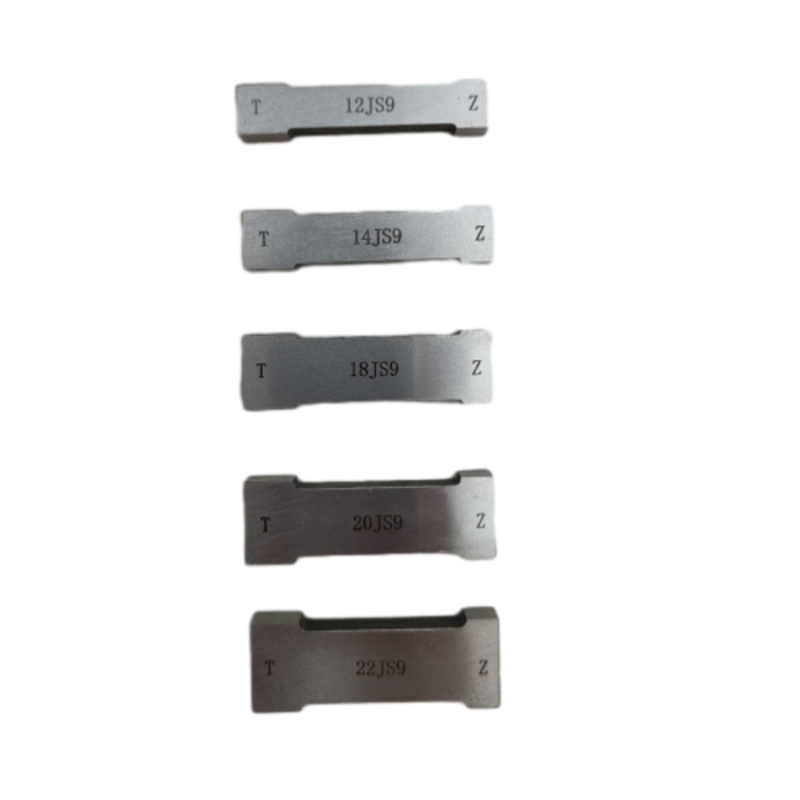
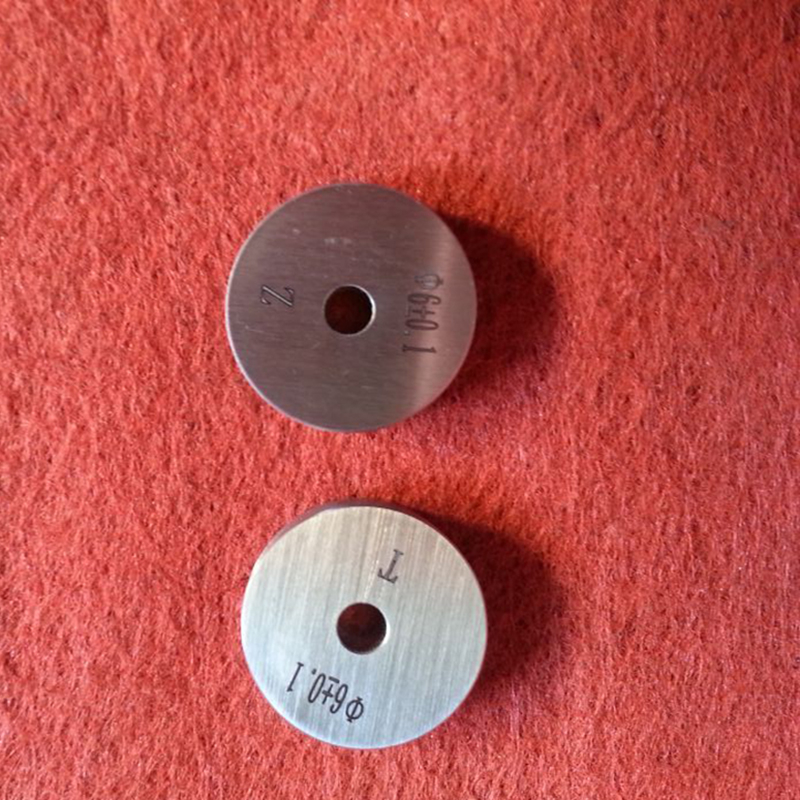
In the realm of precision manufacturing, where minute tolerances can define the success or failure of a product, the accuracy of measurement tools is non-negotiable. Plug gauges , plug ring gauges , and small hole gauges are indispensable instruments for ensuring dimensional precision, particularly in verifying the internal diameters of components. Calibration of these gauges is a critical process that directly impacts the quality control pipeline. This article delves into the core calibration techniques for these essential tools, exploring their unique requirements and addressing common customer concerns to empower manufacturers with informed decisions. Key Calibration Principles for Plug Gauge Accuracy Plug gauges are designed to check the diameter and form of holes, slots, and other cylindrical features. Their calibration revolves around maintaining strict dimensional accuracy to ensure reliable pass/fail assessments. The first step in calibration involves verifying the gauge's nominal size against a traceable reference standard, such as a master gauge or a coordinate measuring machine (CMM) with proven precision. Temperature control is paramount here, as even slight fluctuations can cause thermal expansion or contraction, affecting measurements. Calibration technicians must also inspect the gauge's surface finish and geometry. A worn or scratched plug gauge can introduce errors, so visual checks and tactile examinations using profilometers are standard practices. Additionally, dimensional stability over time is evaluated through repeated measurements under controlled conditions, ensuring the gauge remains within specified tolerance limits (typically ±0.001mm for high-precision applications). By adhering to these principles, manufacturers can trust their plug gauges to deliver consistent, accurate results in critical quality checks. Ensuring Precision with Plug Ring Gauge Calibration Plug ring gauges , used to inspect the external diameters of shafts and cylindrical parts, demand a slightly different calibration approach due to their ring-shaped design. Calibration begins with verifying the gauge's internal diameter against a master plug gauge of known accuracy. This mutual verification ensures that both plug and ring gauges maintain complementary precision, essential for interchangeable manufacturing. One unique challenge with plug ring gauges is ensuring roundness and straightness. These properties are tested using rotational measurement devices that capture deviations from perfect circularity. Torque application during calibration is another critical factor; excessive force can deform the gauge or introduce measurement bias, while insufficient torque may lead to unstable positioning. Calibration protocols often specify a standardized torque value (e.g., 2-3 N·m) to ensure consistent, repeatable results. By addressing these nuances, manufacturers can uphold the reliability of plug ring gauges in verifying the dimensional integrity of precision-machined components. Mastering Calibration for Small Hole Gauge Applications Small hole gauges present a distinct set of challenges due to their focus on measuring extremely narrow diameters, often in the range of 0.5mm to 10mm. Calibrating these delicate instruments requires specialized equipment, such as optical comparators or high-resolution video microscopes, which can capture measurements with micron-level precision. Given their small size, contamination from dust or oils can significantly impact accuracy, so calibration environments must be strictly controlled for cleanliness. A key technique for small hole gauges is traceable step calibration, where the gauge is tested against a series of progressively sized master holes to validate linearity across its entire measurement range. Contact force is also a critical parameter; excessive pressure during measurement can deform the gauge or the workpiece, leading to false readings. Calibration procedures often specify a minimal contact force (e.g., 0.1-0.5N) and use spring-loaded probes to maintain consistency. By mastering these techniques, manufacturers can overcome the unique challenges of small hole measurement, ensuring precision even in the most intricate components. F AQ s About Precision Gauge Calibration What Are the Key Advantages of Professionally Calibrated Plug Gauges, Plug Ring Gauges, and Small Hole Gauges? Professionally calibrated gauges offer three primary benefits: reliability, compliance, and cost savings. Calibration ensures that your tools meet international standards (e.g., ISO 9001), reducing the risk of faulty parts reaching customers. Reliable measurements also minimize rework and scrap, as early detection of dimensional errors prevents costly downstream issues. For precision manufacturers, investing in regular calibration is a strategic move to uphold product quality and operational efficiency. How Often Should Plug Gauge, Plug Ring Gauge, and Small Hole Gauge Calibration Be Performed? The calibration frequency depends on usage intensity and environmental conditions. As a general guideline, gauges used in high-volume production should be calibrated every 3-6 months, while those in less frequent use may require annual calibration. Signs that calibration is needed include inconsistent measurements, visible wear, or when the gauge has been dropped or exposed to extreme temperatures. Proactive calibration schedules help maintain measurement integrity and avoid unexpected downtime due to tool inaccuracies. Can Small Hole Gauges Be Calibrated for Non-Cylindrical Small Features? Yes, though calibration for non-cylindrical features requires specialized methods. While standard calibration focuses on circular holes, technicians can adapt procedures for slots, keyways, or irregular shapes using custom master fixtures. These fixtures are designed to mimic the geometry of the target features, allowing the small hole gauge to be verified for both dimensional accuracy and form tolerance. This versatility makes small hole gauges a valuable asset in diverse precision manufacturing applications. What Steps Ensure Calibration Traceability for Plug Ring Gauges? Traceability is maintained by using calibration standards traceable to national or international measurement authorities (e.g., NIST, UKAS). Each calibration report should include the reference standard's certification, calibration dates, measured values, and uncertainty margins. Additionally, gauges should be uniquely identified with serial numbers or barcodes, allowing for easy tracking of their calibration history. This documentation is essential for audits and ensures compliance with quality management system requirements. What Makes Small Hole Gauges Ideal for High-Precision Applications? Their ability to measure minute diameters with resolutions up to 0.001mm makes small hole gauges indispensable in industries like medical implant manufacturing. In the precision manufacturing landscape, the reliability of plug gauges , plug ring gauges , and small hole gauges is non-negotiable. By understanding their unique calibration requirements and addressing common concerns, manufacturers can ensure these tools deliver the accuracy needed to produce high-quality components. Regular calibration, performed by experts using traceable methods, is not just a quality control step—it's an investment in the precision, compliance, and long-term success of your manufacturing operations. Trust in calibrated precision, and let your measurements drive your competitive edge.
-

High quality industrial productsagement

High quality industrial products
View Details -

Meet the diverse needs of customers

Meet the diverse needs of customers
View Details -

Strict quality control

Strict quality control
View Details -

Top raw materials

Top raw materials
View Details -

Trusted supplier

Trusted supplier
View Details
Our application

news and information
Versatile Tools for Establishing Precise Right Angles in Various Projects
The Right Angle Ruler Tool A Cornerstone for Precision in Drafting and Construction The right angle
Water Flow Control Through Main Valve Systems for Efficient Management
Understanding Main Valve Water Systems A Comprehensive Analysis In the realm of fluid dynamics and w

Versatile Ground Anchors for Enhanced Stability and Adaptability in Various Applications
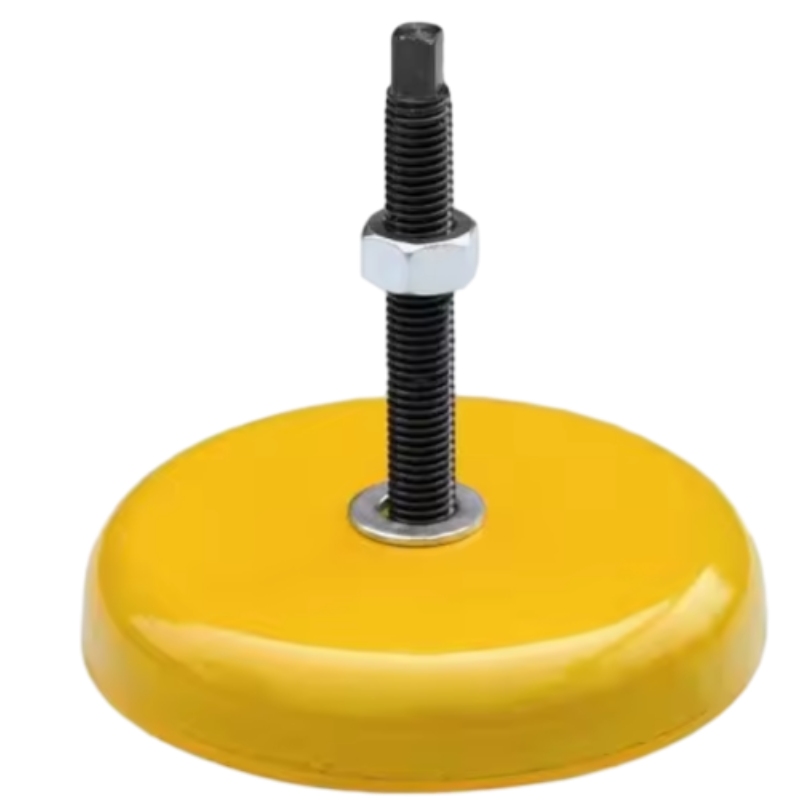
The Versatility and Importance of Adjustable Ground Anchors Ground anchors have long been an essenti
 English